SpaceX and xAI Propose Lunar Electromagnetic Catapults — Experts Warn of Weaponization Potential
Summary: SpaceX and xAI have jointly proposed building electromagnetic mass drivers on the Moon to launch ore mined from lunar resources directly into orbit, dramatically reducing deep-space transportation costs. A policy research report warns the technology is inherently dual-use and could reshape the strategic landscape of cislunar space; Chinese scientists are simultaneously developing comparable systems integrated with their International Lunar Research Station plans.
Lunar Electromagnetic Catapults: From Sci-Fi to Engineering Reality
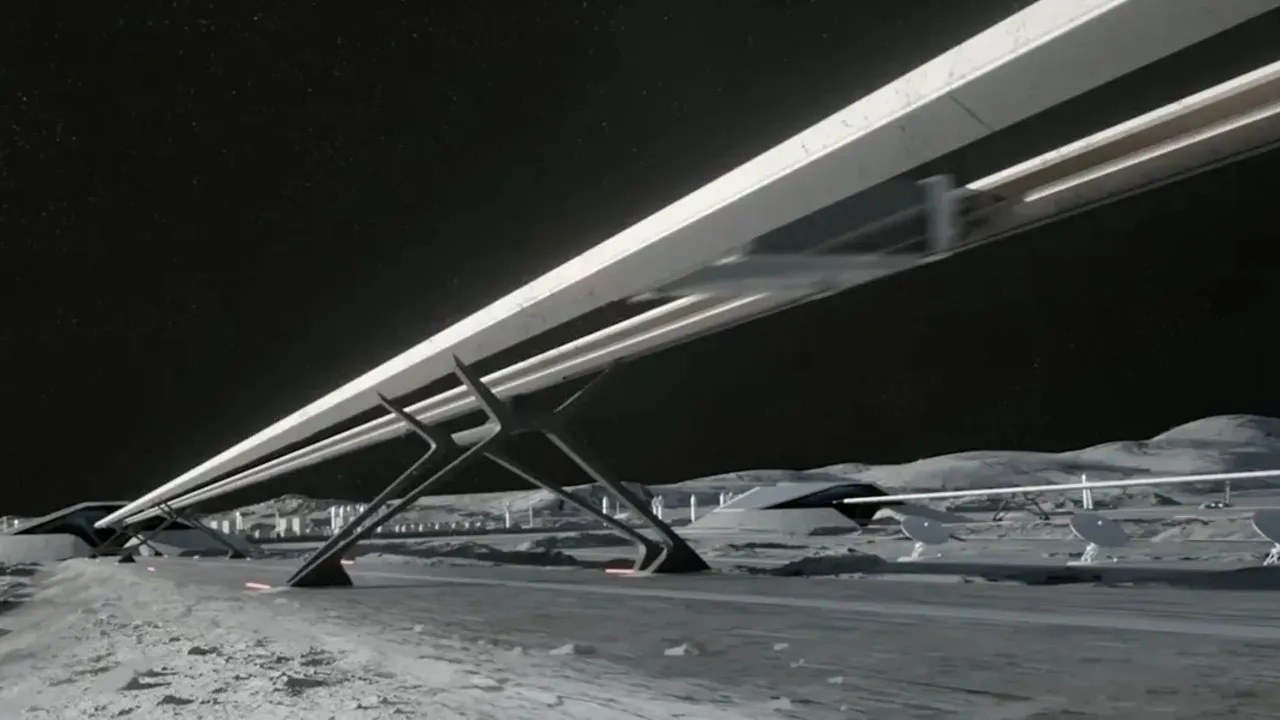
The concept of electromagnetic mass drivers dates back to the 1970s and the work of Princeton professor and space visionary Gerard O'Neill. The technology uses powerful magnetic fields to accelerate non-magnetic objects to extreme velocities, launching payloads into space without the need for heavy chemical propellants. SpaceX CEO Elon Musk has told xAI's newly acquired team that a lunar factory using in-situ resources to manufacture artificial intelligence hardware is needed.
Current mass drivers can only launch small payloads, but the technology is maturing rapidly. SpaceX, Helios, Auriga Space, and Electromagnetic Launch Inc. are all developing mass driver technologies. An American Foreign Policy Council (AFPC) report states that with adequate funding, a commercially viable lunar mass driver system could be ready by the mid-2030s.
Dual-Use Concerns: Strategic Implications
The AFPC report emphasizes the strategic risks of lunar electromagnetic catapults. As essentially large electromagnetic cannons, these devices can launch both civilian satellites and military systems. The report describes them as "an unparalleled source of space power" that conventional rocket launch systems cannot compete with.
The U.S. faces a narrowing window "to shape the strategic environment of the lunar frontier," the report warns. Without investment, competitors could deploy such systems first and potentially control cislunar space. "Mass drivers on the moon would operate largely outside existing early warning and attribution architectures, thereby complicating detection and response by existing early warning systems."
Weaponized payloads from a lunar mass driver could include three categories: direct strikes against ground or space targets; rapid deployment of space-based missile defense systems such as those envisioned under the Trump administration's recent "Golden Dome" concept; and intelligence collection or electronic warfare platforms.
Outer Space Treaty: Limited Constraints
The UN Outer Space Treaty prohibits military installations on celestial bodies and the deployment of nuclear weapons in space, but regulating dual-use technologies remains inherently difficult. "As mass drivers are mixed use and would be primarily for civilian applications, this would heavily obfuscate the exact purpose of any system as to whether it is a military or civilian one," the report notes.
China: Parallel Development of Lunar Mass Driver Technology
Recent developments in China view mass drivers and related technologies as central to lunar industrialization and long-term space development. Chinese scientists have proposed a magnetic launch system that researchers claim could operate at roughly 10% of the cost of conventional rockets while supporting frequent, automated launches to lunar orbit or Earth return trajectories.
This technology has been integrated into China's International Lunar Research Station (ILRS) plans, enabling a sustained, high-throughput logistics chain between the Moon and Earth alongside broader cislunar industrialization goals.
United States: Call to Accelerate
The AFPC report recommends NASA pursue "an aggressive campaign to establish a distributed permanent presence at certain locations of the lunar south pole and equatorial regions" through the Artemis Program. "Having an established presence will be a key factor in the spacefaring superpowers' efforts to control cislunar space," the report argues.
The Artemis Accords coalition — more than 66 nations — is establishing norms for lunar activity, but has not explicitly incorporated mass driver technology into any arms control framework.