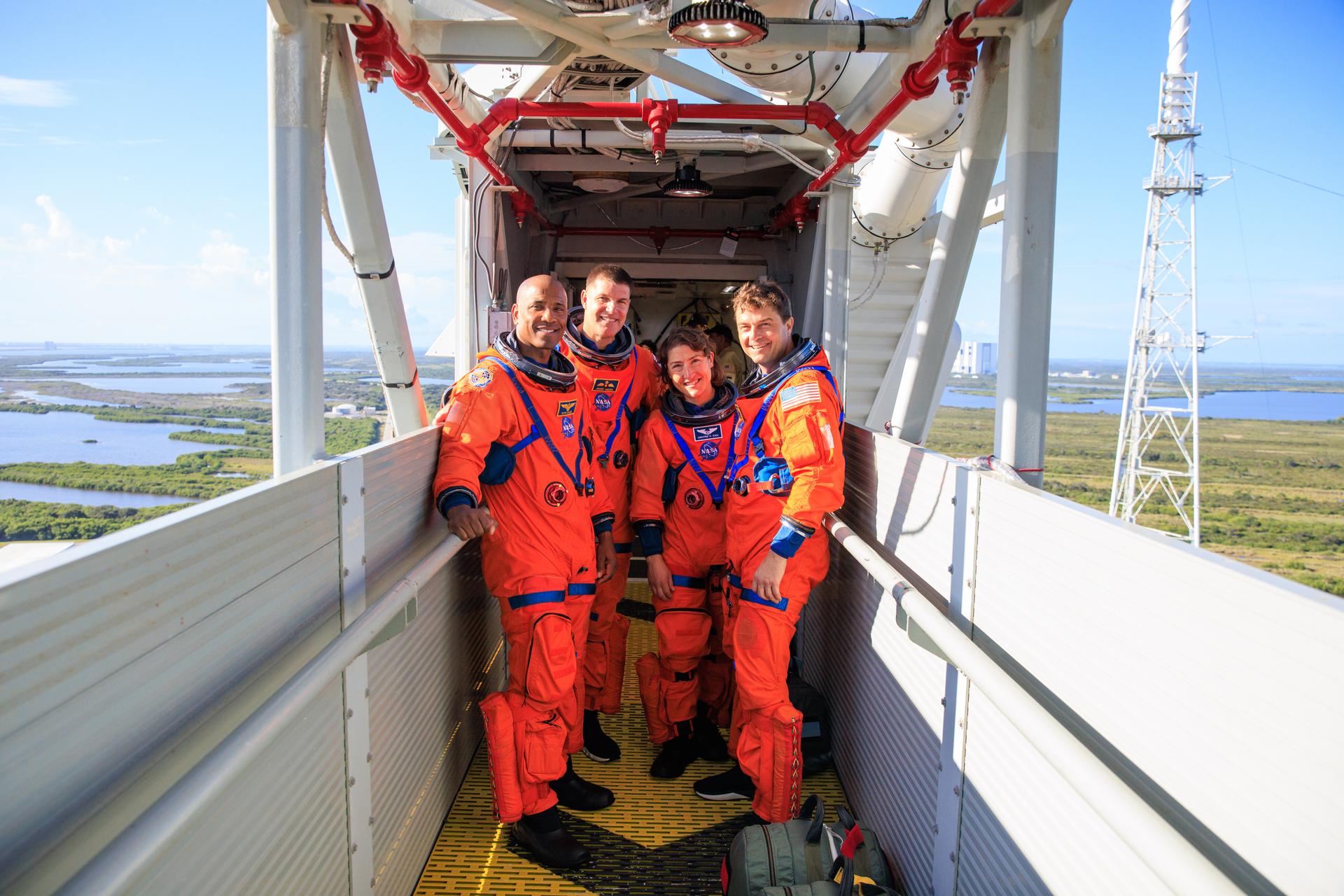
Saudi Space Agency announced on April 4 that the domestically developed Shams satellite has successfully launched aboard the Artemis II mission and established initial communication. This marks Saudi Arabia's first national-level space weather monitoring mission.
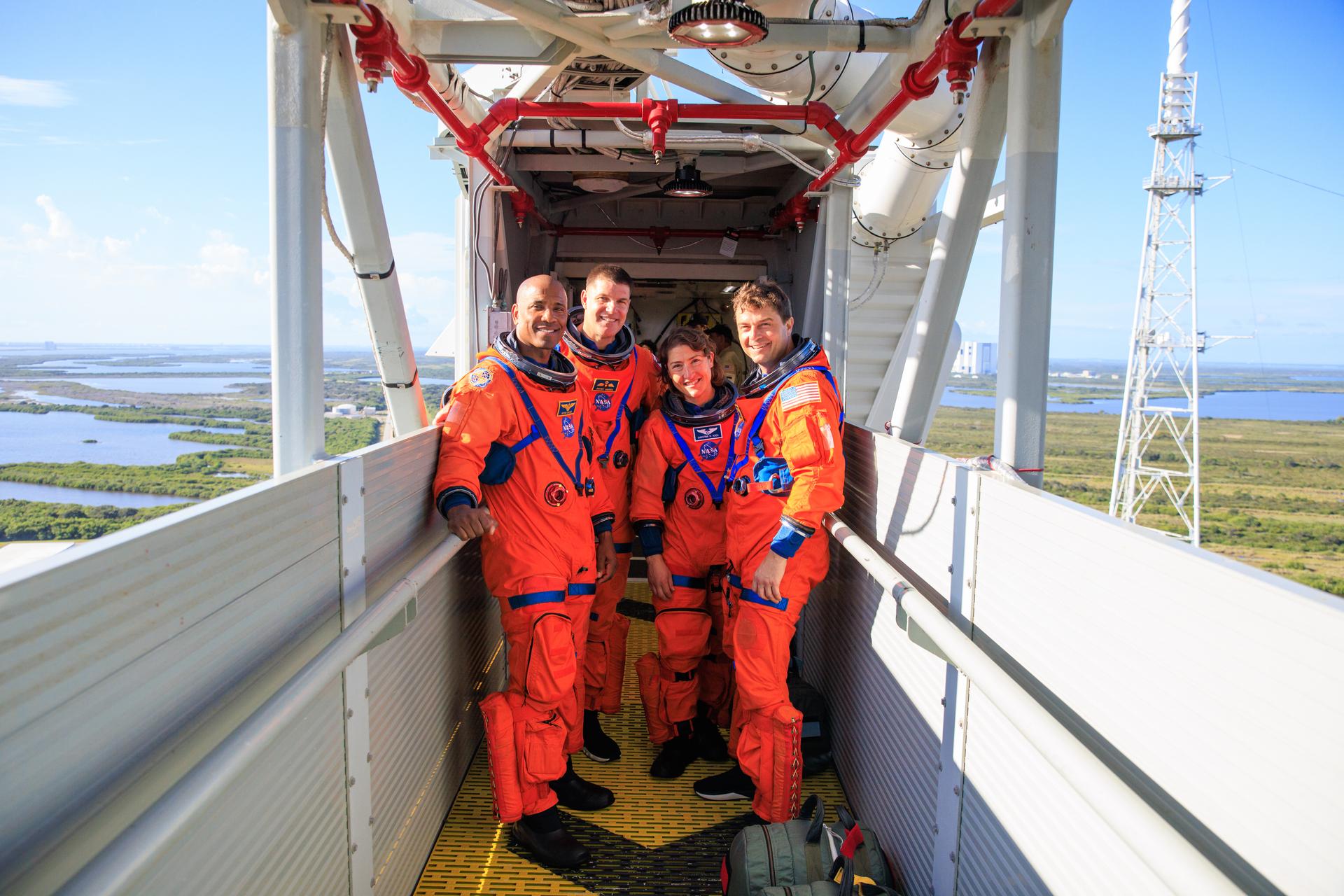
Credit: NASA
Mission Overview
Shams will operate in a highly elliptical orbit ranging from 500 km to 70,000 km, traversing the Van Allen radiation belts and reaching deep space regions — an ideal vantage point for continuous monitoring of solar activity and the space radiation environment.
The satellite focuses on four key scientific areas:
- Space Radiation Monitoring — Real-time measurement of radiation intensity and distribution in near-Earth and cislunar space
- Solar X-ray Observation — Tracking solar flare activity to provide critical data for space weather forecasting
- Earth's Magnetic Field Detection — Studying geomagnetic variations and their response to space weather events
- High-Energy Solar Particle Monitoring — Capturing solar energetic particle events to assess threats to spacecraft and crew
Significance
The successful launch of the Shams satellite represents a major milestone for Saudi Arabia in space science. As the Arab world's first dedicated space weather satellite mission, it will not only support the kingdom's growing space ambitions but also contribute valuable data to the international space weather research network.
Saudi Arabia has been steadily increasing its space investments in recent years — from remote sensing satellites to crewed spaceflight, and now space weather monitoring — progressively building a comprehensive space capability portfolio.
Sources: DoNews, Yunnan News