Artemis II Successfully Launches: First Crewed Lunar Mission in Over 50 Years
 Credit: NASA (Public Domain)
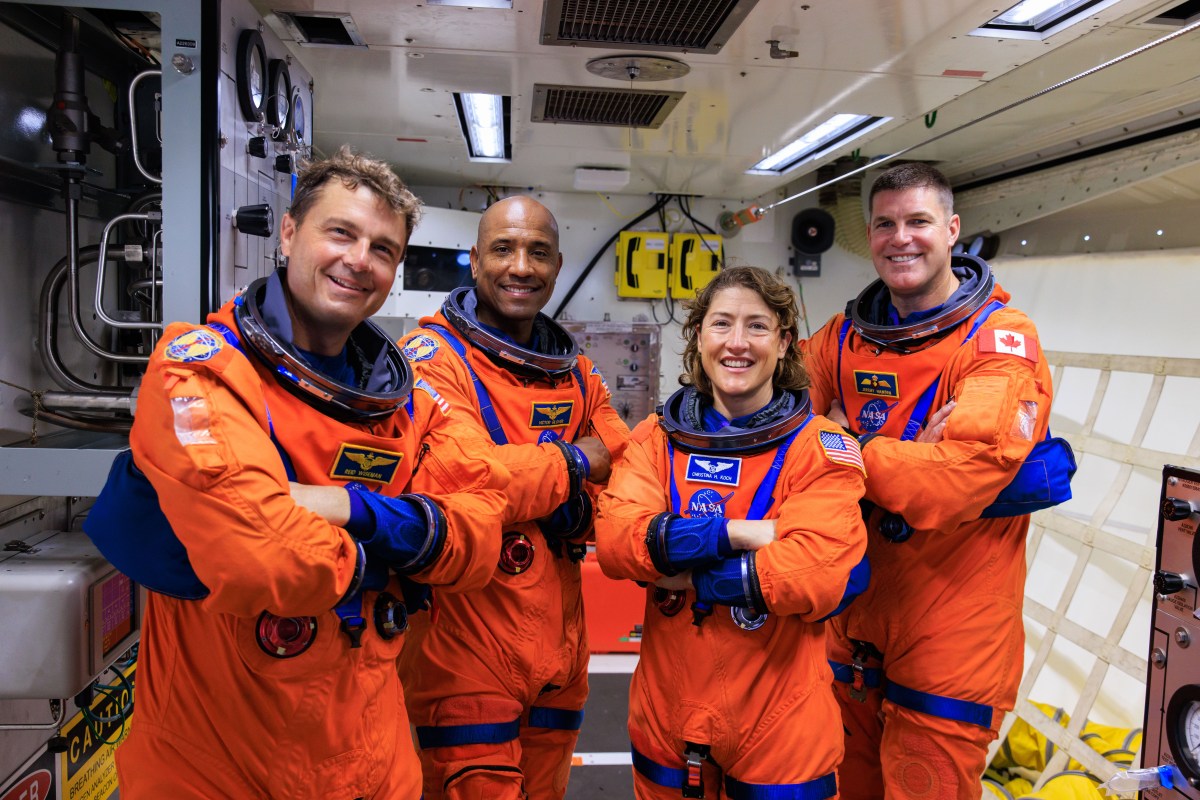
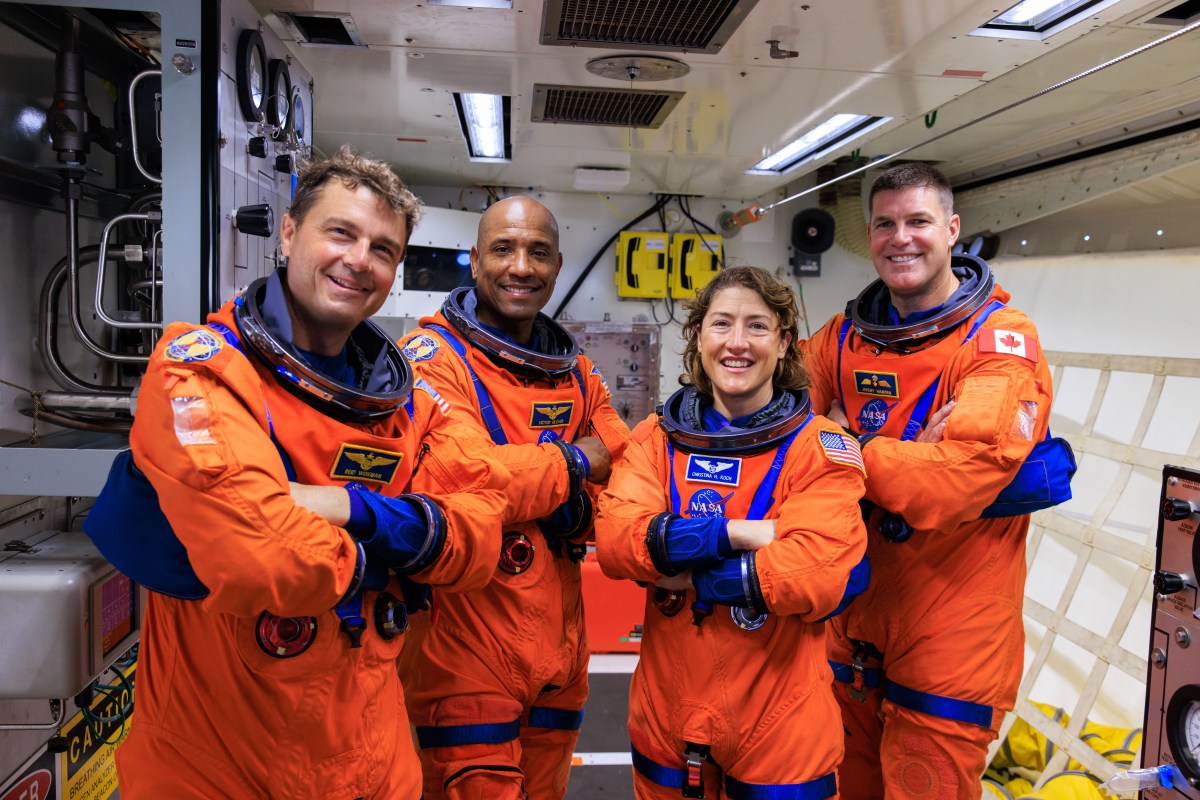
Summary: According to NASA, the Artemis II mission launched successfully at 6:35 PM EDT (22:35 UTC) on April 1, 2026, from Launch Pad 39B at NASA's Kennedy Space Center in Florida. This marks the first crewed flight of the Space Launch System (SLS) rocket and the Orion spacecraft, and the first time humans have flown toward the Moon since Apollo 17 in 1972. The crew consists of Commander Reid Wiseman, Pilot Victor Glover, and Mission Specialist Christina Koch (all NASA astronauts), along with Mission Specialist Jeremy Hansen of the Canadian Space Agency (CSA).
Launch and Early Orbital Operations
After the SLS rocket lifted off, the Orion spacecraft — named "Integrity" by the crew — successfully entered its initial Earth orbit. Within the first several hours, the mission team executed a series of critical maneuvers:
- Apogee Raise Burn: The ICPS (Interim Cryogenic Propulsion Stage) ignited its RL10 engine to raise the highest point of the orbit.
- Proximity Operations Demonstration: The crew manually piloted Orion through approximately 70 minutes of approach and retreat maneuvers using the detached ICPS as a reference target, validating the spacecraft's close-range maneuvering capabilities with astronauts at the controls.
- Perigee Raise Burn: The service module's main engine fired for 43 seconds, raising the lowest point of the orbit and placing Orion into a stable high Earth orbit aligned with its path to the Moon.
CubeSats Deployed as Secondary Payloads
Four CubeSats launched inside the SLS Orion Stage Adapter are being deployed during the mission:
- ATENEA (Argentina National Space Activities Commission) — Radiation shielding and orbital design optimization research
- Space Weather CubeSat-1 (Saudi Space Agency) — Space weather radiation, solar X-ray, and magnetic field measurements
- TACHELES (German Aerospace Center, DLR) — In-space technology demonstrations for future lunar logistics
- K-Rad Cube (Korea AeroSpace Administration, KASA) — Radiation biological effects measurement across the Van Allen belts
System Anomaly and Resolution
During post-launch checkout, the crew reported a blinking fault light on Orion's toilet system. Working closely with mission control in Houston, the crew successfully troubleshot and resolved the issue, restoring the toilet to normal operations.
Upcoming Mission Milestones
The mission management team will convene for its first formal meeting to assess spacecraft systems and approve the upcoming Translunar Injection (TLI) burn — Orion will ignite its engines for approximately six minutes to escape Earth orbit and head toward the Moon. The entire Artemis II mission is expected to last approximately 10 days, with the crew flying around the Moon before returning to Earth.
Sources (original pages)
- NASA: Artemis II Flight Update: Perigee Raise Burn Complete
- NASA: Artemis II Flight Update: Proximity Operations Complete
- NASA: Artemis II Flight Update: Apogee Raise Burn Complete
- NASA: Artemis II Flight Update: Crew and Ground Teams Successfully Troubleshoot Orion's Toilet